
From Roads to Trails: Perspective from Tour Grant Recipient Nhi Vu
Top photo: Mike Murray
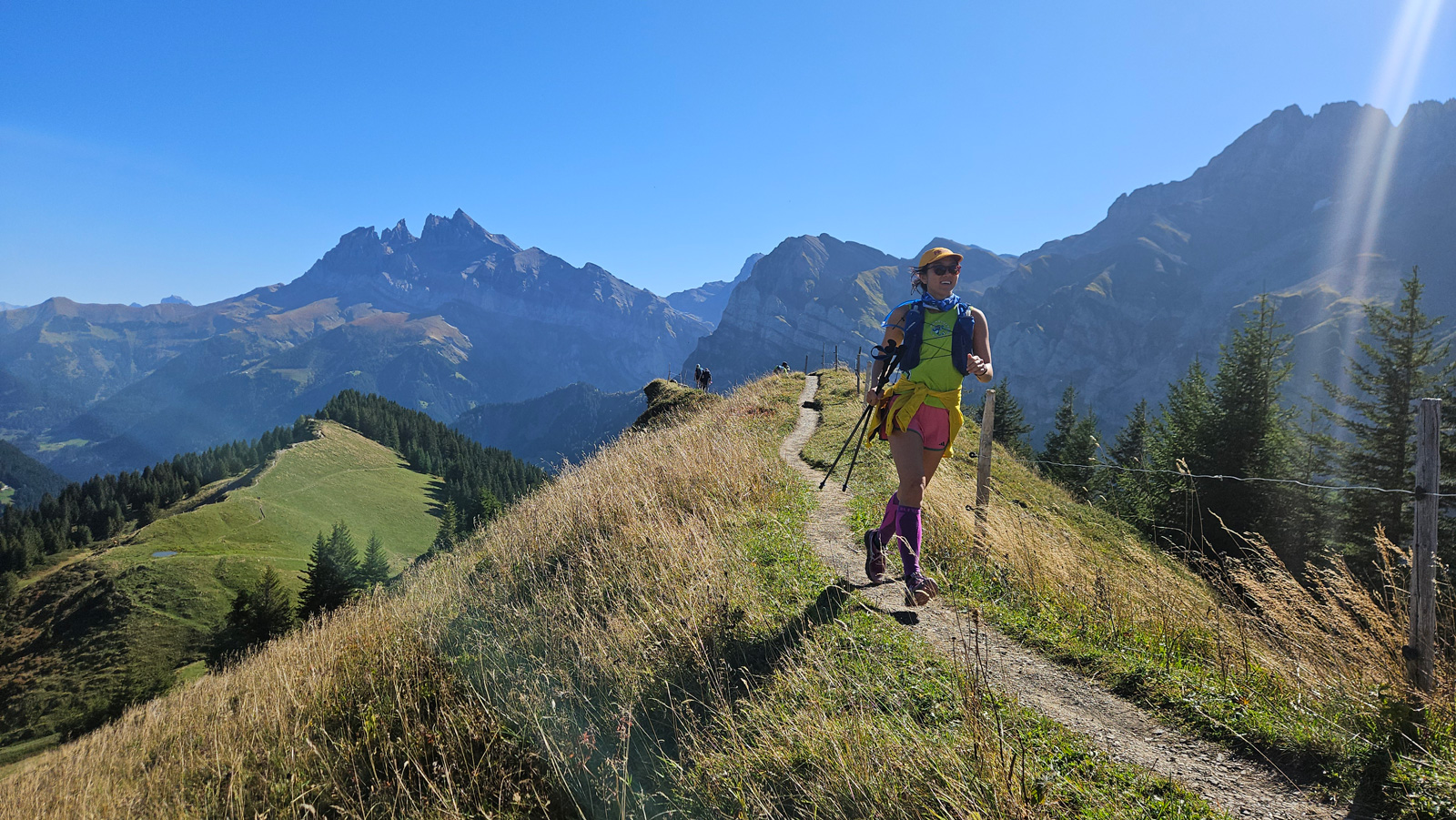
If you joined a Run the Alps trip last September, you might have met Nhi Vu—smiling, cheering, and spreading joy on the trails. A second-generation Vietnamese-American and daughter of refugees, Nhi was one of our 2025 Tour Grant recipients and participated in our September in the Alps trip including racing Trail des Dents du Midi. She says her Run the Alps experience was “life-changing” – trading road running for alpine trails, building confidence, community, and a sense of belonging while promoting Asian American and Pacific Islander representation in trail running.
Run the Alps’ Laura Moro, who leads our Net Positive strategy, caught up with Nhi to talk about her journey, lessons from the mountains – including her advice for road runners ready to discover trails, and witnessing the tenacity of the human spirit on and off the trail.
Laura: Can you tell us a bit about yourself and the things you are passionate about?
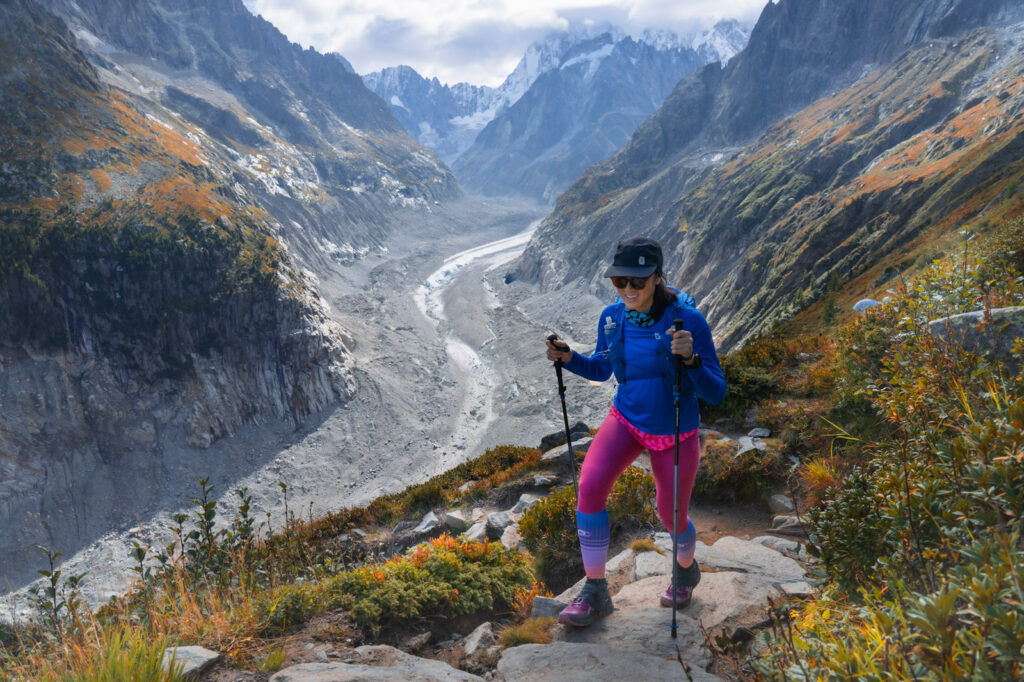
Nhi: My name is Nhi (pronounced “ñ-ee”), and I’m a second-generation Vietnamese American, the daughter of refugees. I was born and raised in North Carolina and grew up in a big, close-knit family where cousins felt like siblings and aunts and uncles were like second parents.
Being both a leader and a learner has shaped my love for connection, collaboration, and curiosity. As a former school counselor, I am deeply passionate about mental health and movement. I was a competitive swimmer growing up, and I found running during the pandemic. I became more serious about running after experiencing several losses in my family. Around that time, I moved from Atlanta back to Charlotte to be closer to my loved ones, and begin a career transition.
In my family, expressing emotions doesn’t always come naturally, but running became a way for us to process things together. It opened space for deeper conversations and helped me build a stronger relationship with my mom as we entered a new phase of our lives. One of my greatest joys has been watching her express herself through movement—through dance and even through running. She runs now, something she always said she would never do.
For me, running has become more than something I do for myself. It’s a shared language that connects me to the people I love, sharing experiences and learning from others.
Laura: Before this tour, who were you as a runner and what did road running give you?
Nhi: Running initially started as something very personal for me—a way to cope with grief and clear my mind after experiencing loss. It was a quiet, meditative activity that helped me process my emotions.
But over time, it also brought unexpected connections. I started attending run clubs primarily because I wanted to feel safer running—there’s safety in numbers. I didn’t expect to make friends, but all it took was one person to be welcomed into a broader running community.
From there, I became connected with several run clubs and leaders in Charlotte, including Pace of the East, BMR, Latinos Run, Hare Bandits, and Summit. Many of these runners have become close friends and have been some of my biggest supporters, especially when I decided to pursue this opportunity to run in the Alps.
Coming into this tour, my identity as a runner was rooted in community. Road running gave me not only physical resilience, but also a community that believed in me and encouraged me to take on something far outside my comfort zone.
Laura: With a road running background, what happened the first time you took that experience onto an alpine trail?
Nhi: It felt like a massive shift. I had to completely change my mindset and relearn how I conceptualized running. Trail running—especially in the Alps—felt like taking that spirit of adventure and turning it up a hundred times.
Being surrounded by nature brought an incredible sense of peace. My body relaxed, my thoughts felt clearer, and everything slowed down in the best way. The fresh air, the sweeping vistas, the sound of the forest—it truly felt like medicine. One of my favorite moments was even befriending a local goat on the trail. You don’t often find friendly goats wandering around the city.
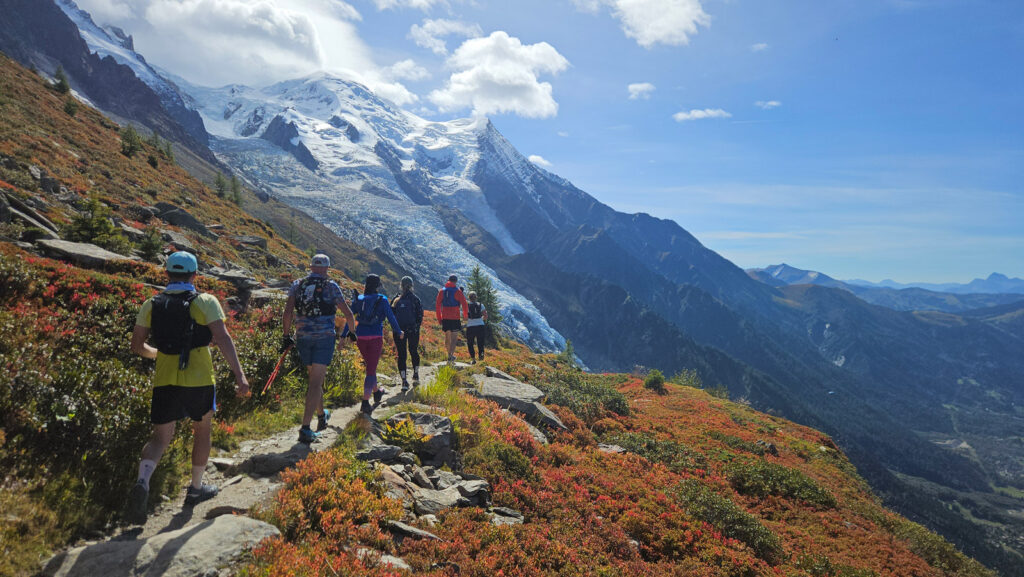
Another thing that stood out to me was the trail running community. Everyone on the trail seemed to share the same spirit of joy and adventure. I found trail runners to be incredibly kind and supportive people who genuinely want others to enjoy the experience too.
Laura: What made you apply for the Run the Alps Tour Grant, and what hesitations did you have?
Nhi: Trail running was actually where my running curiosity first began.
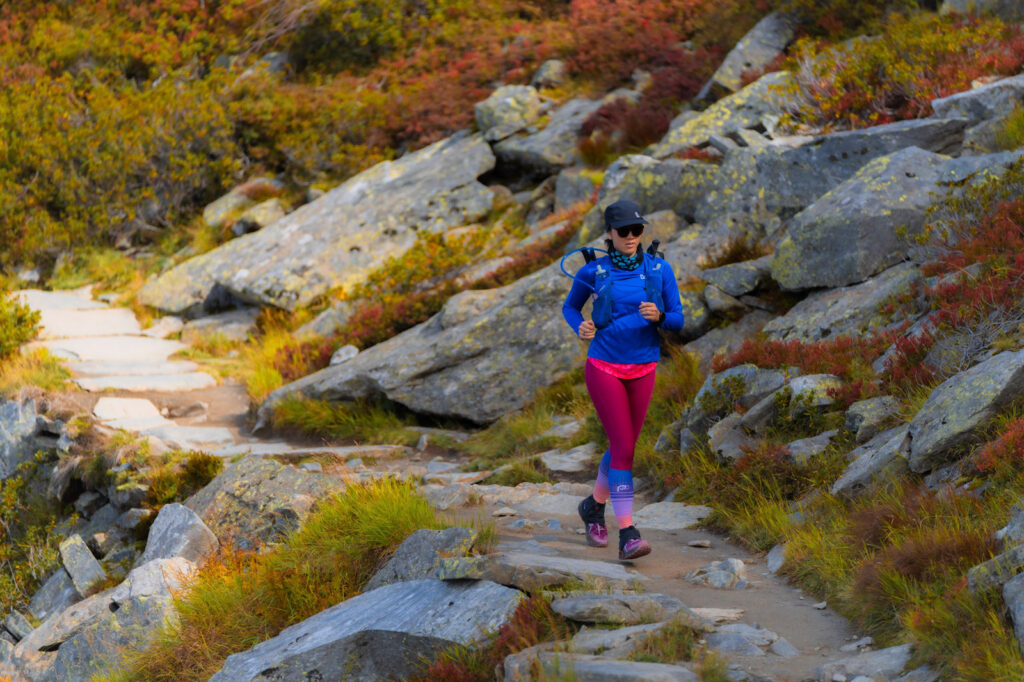
About twelve years ago, during a period of self-discovery, I took a contract job in Colorado. Before moving, I bought a pair of trail shoes in this bright Spider-Man colorway. I loved those shoes and spent a lot of time hiking and attempting to trail run while living out west. But after that contract ended, life moved in other directions and I never quite found my way back to the trails.
Recently, I’ve been fortunate to be surrounded by an incredibly supportive running community, and also discovered the Running Industry Diversity Coalition and began following their work to make the running world more inclusive. When I saw the opportunity to apply for the Run the Alps Tour Grant, it felt like a chance to reconnect with something I had once loved—except this time on one of the most iconic trail systems in the world.
Of course, I had my hesitations. Living in the Southeast U.S., I didn’t have easy access to altitude training. I worried about whether I could physically prepare for the challenge of the Alps. But I leaned into curiosity and preparation. I researched gear, spoke with trail runners who had raced abroad, and gathered as much advice as I could.
Even though the challenge was intimidating, the journey toward it was incredibly rewarding.
Laura: During the tour, what challenged you most and what shifted in your mindset?
Nhi: One of my biggest challenges was simply the journey to get there and the fatigue that came with it.
I had a long travel itinerary that delayed my arrival, and I ended up reaching the group in the early hours of our first day on the trail. My body was exhausted from travel and, to make things even harder, I had just recovered from COVID two weeks before the trip.
The first few days were tough. I struggled physically and emotionally, and felt discouraged that I was falling behind and slowing my group down. I started questioning whether I deserved to be there.
But the support around me helped shift that mindset. Friends and family back home reached out with encouragement and reminded me how far I had come just to get there.
The incredible scenery, shared meals, the camaraderie after finishing long days on the trail, and the warm spirit of the trail running community helped me refocus on the joy of the experience rather than the pressure I had placed on myself.
Laura: What surprised you most when you transitioned from road to trail?
Nhi: What surprised me most was how incredibly fun it was.
Trail running can feel intimidating at first because there are so many variables—roots, rocks, mud, wildlife, weather, elevation. But what I discovered was how welcoming and supportive the trail community is.
Before my trip, runners in my local community shared advice and encouragement. And while I was racing in the Trail des Dents-du-Midi, I experienced that kindness firsthand.
At one point, another runner noticed that my hydration hose was hitting me in the side of the head. He stopped to help me adjust my pack, even though we were in the middle of a race. He laughed and said he was running for fun and didn’t mind being a little behind.
That moment really captured the spirit of trail running for me—people supporting each other so everyone can enjoy the experience.
Laura: For road runners curious about trail running, what do they need to understand before they start?
Nhi: The most important thing to understand is that trail running should be joyful and exploratory.
Trails offer some of the most beautiful and soul-filling experiences you can have outdoors. If you’re curious about trail running, the best way to start is simple: find a trail, bring a friend, pack snacks, and go explore.
There are certainly technical aspects to learn—terrain, gear, nutrition, and safety—but there are also so many resources available today. Toolkits like the Running Industry Diversity Coalition trail running resources, local trail running groups, and experienced runners in your community can all help guide you.
You don’t have to start with something extreme. Begin with what’s accessible to you and build from there. Curiosity and a sense of adventure can take you surprisingly far—maybe even all the way from the road to the Alps.
Laura: What practical advice would you give road runners making the transition to trail running?
Nhi: There are several things that helped me along the way:
- Start small and build gradually. Hills are your friend—so definitely start incorporating hill workouts on a treadmill or running routes with rolling hills into your training.
- If possible, find wooded trails and practice running on uneven terrain. And don’t feel discouraged if you need to hike steep climbs. One piece of advice I received from champion trail runner Hillary Gerardi was to embrace hiking the hills—it’s a normal and smart strategy in trail running.
- When I was preparing for the Alps, I didn’t have access to high-altitude terrain, so I had to get creative. A seasoned trail runner I met in Philadelphia, Michael Gagliardi, suggested heat training as a way to simulate the stress that altitude can place on the body. Living in a humid climate actually became an advantage for training.
- Whenever possible, I also made trips to the Blue Ridge Mountains for long runs. Turning training into small adventures with friends and my dog made those long five-hour runs feel much more enjoyable.
- Another key piece of advice is to prioritize rest. Recovery is essential for helping your body adapt and stay healthy.
- And finally: train your body to eat real food. Gels are helpful, but on long trail efforts, solid foods like bread and fruit can make a huge difference. That advice completely changed my approach to fueling, and I thoroughly enjoyed every aid station because of it.
Laura. A year later, how has trail running changed you?
Nhi: Trail running has genuinely changed how I experience both movement and nature. Being outside in the mountains or forests brings me a deep sense of clarity and happiness. I feel less pressure to perform and more freedom to simply enjoy the experience—laughing, smiling, and taking in everything around me.
At the same time, trail running challenges both my mental and physical endurance. There’s something incredibly powerful about pushing yourself while also feeling connected to the natural world around you.
If someone is standing where I once was—curious but unsure—I would simply encourage them to follow that curiosity. You never know where it might lead.
Laura: If you had one wish for the world of trail running, what would it be?
Nhi: My biggest wish would be to see more representation and accessibility within the trail running world.
There are incredible running traditions across the globe—like the Rarámuri runners in Chihuahua, Mexico, who run using huarache sandals. I would love to see more of these stories shared and celebrated.
I also hope trail running becomes more accessible. Running can already be an expensive sport, and trail running often adds additional barriers through gear and travel.
Programs like the Run the Alps Tour Grant Program are powerful because they create entry points for people who may be curious but don’t know how to begin.
Trail running is a magical, life-changing experience. I hope more people from all backgrounds have the opportunity to discover that magic for themselves.
