
10 Things to Love About Trail Running in Provence
Top photo: Sam Llermillier
In the gaps between flowy single track and post-run rosés on a tour with Run the Alps, I started wondering why more runners aren’t talking about Provence.
The Alps tend to dominate our conversations in Europe, and that’s understandable, but Provence offers something different. The running is lighter somehow – perhaps because there’s less pressure to get up early to race the elements – so it’s easy to slip into the local bon vivant rhythm. Our days in Provence felt full without ever feeling rushed, and we settled into a relaxed routine of coffee, trails, and late lunch.
The trip took place in Parc Naturel des Baronnies Provençales, a protected region of rolling hills, vineyards, olive groves, orchards, and forests. It’s a rural place where village life is still very much alive, and you feel connected to an older, simpler way of life. By the end of our tour, we were left feeling energized rather than exhausted; our legs were well-worked but never battered, and with free time in the afternoons, our minds felt rested too. This is where a trail running tour really starts to feel like a vacation!
There are so many things to love about Provence, but here are my top ten…
1. Trails are friendly, flowy, and varied
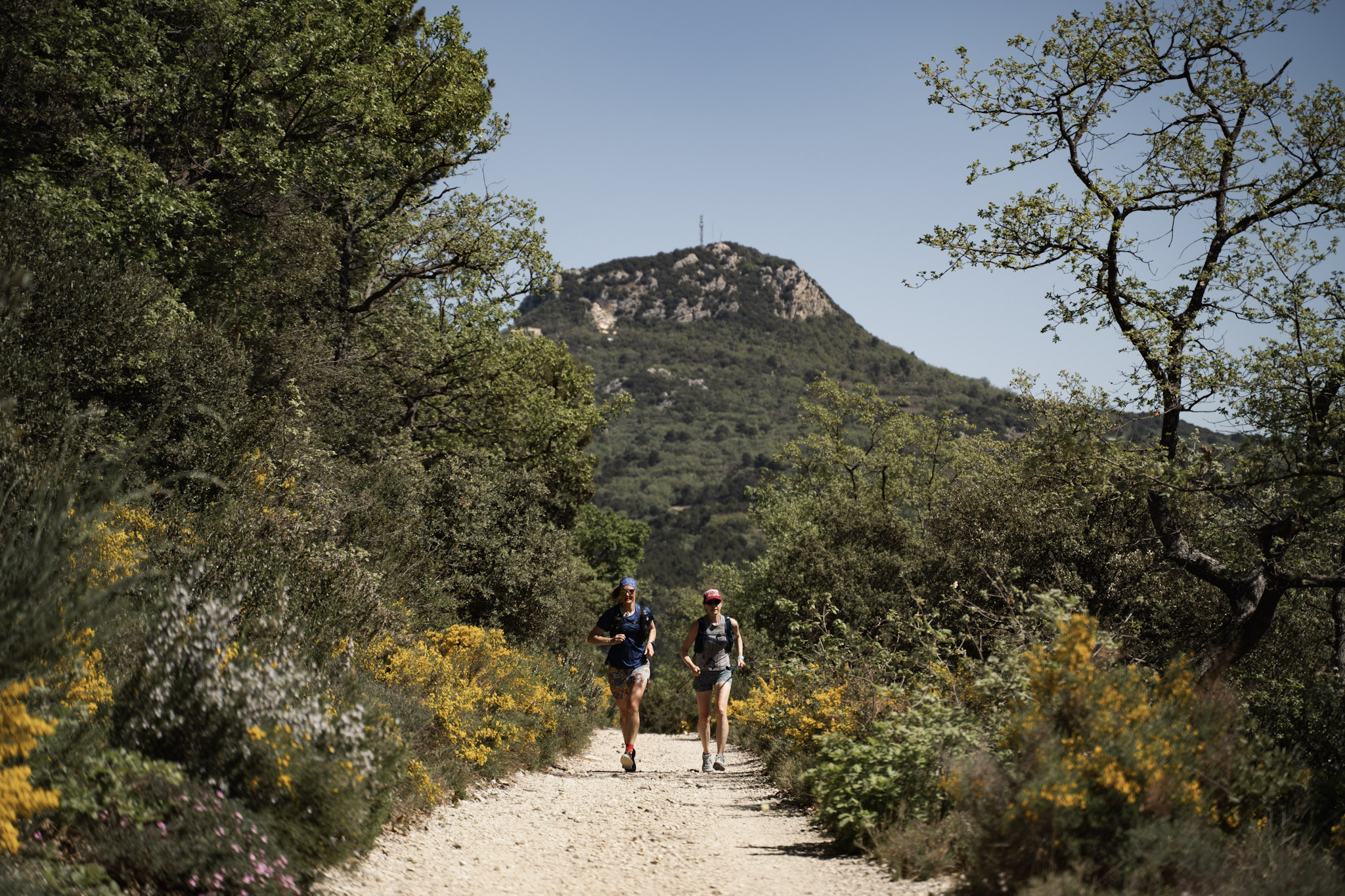
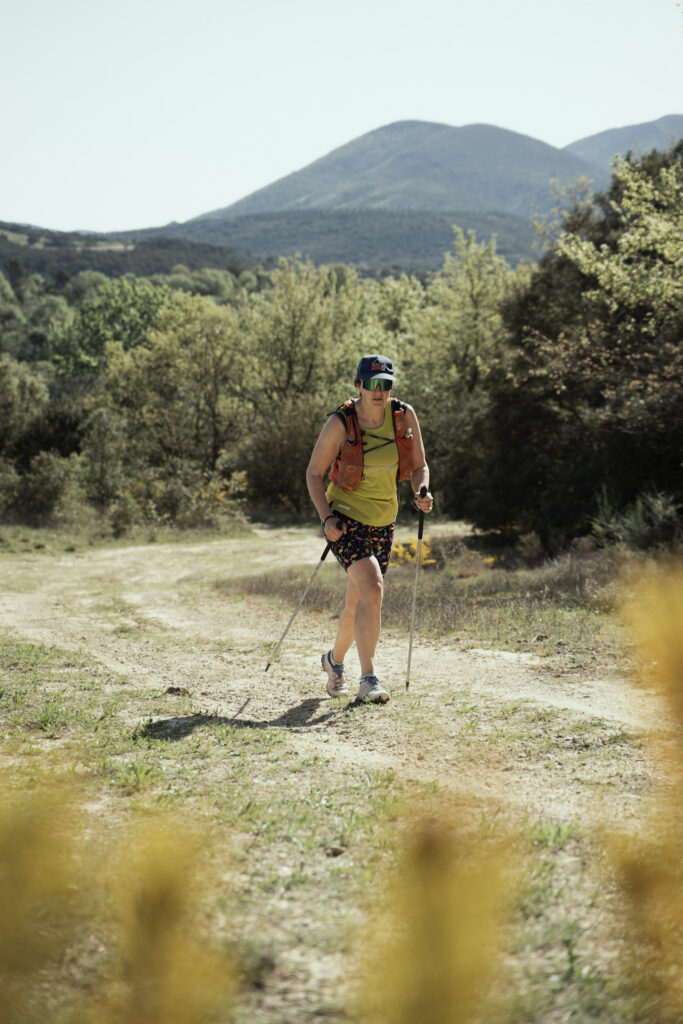
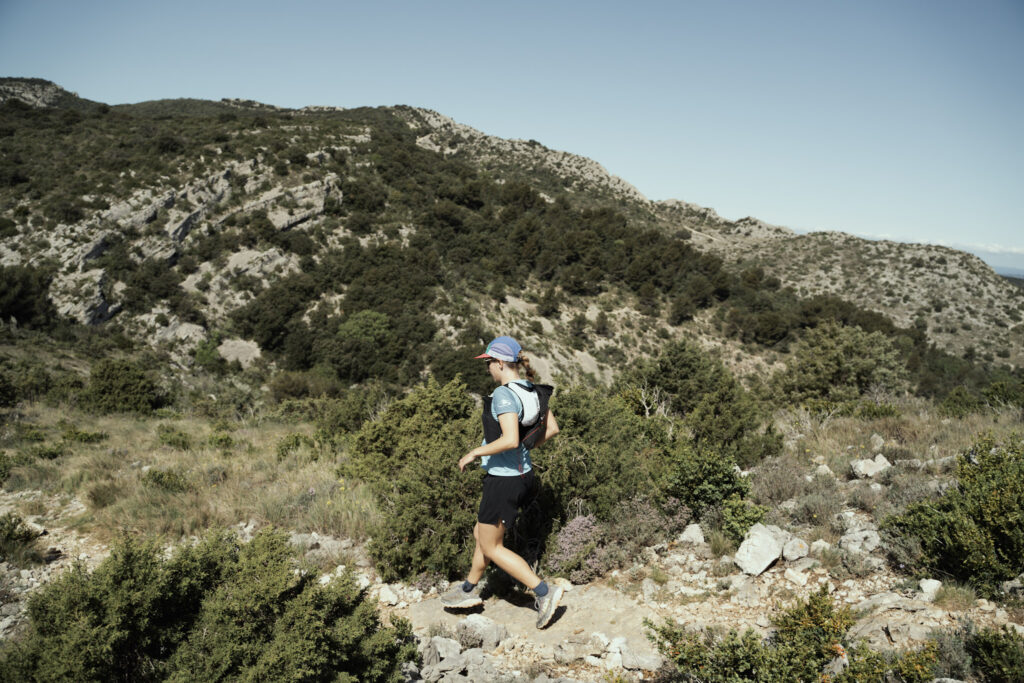
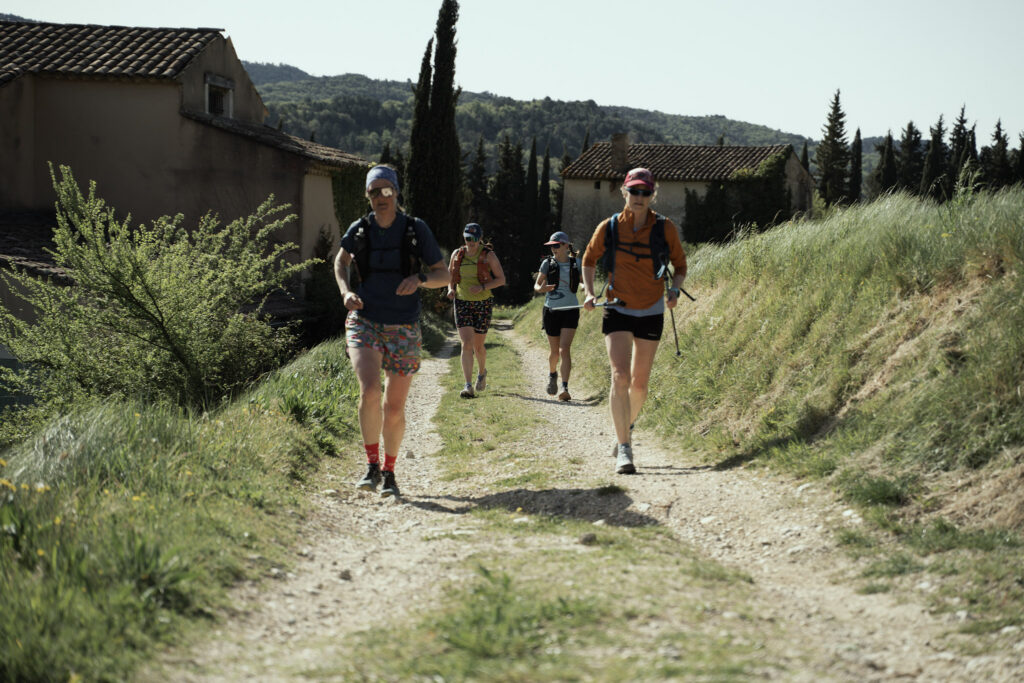
One of the first things I noticed in Provence was how runnable the trails were. Compared to much of the Alps, the terrain is generally softer underfoot and less relentlessly steep. Many of the trails roll gently through vineyards, olive groves, orchards, and shrubby forest. There are long stretches of smooth singletrack, which means you have time to chat and look around you.
Over the course of our tour, we discussed the term “flowy,” and decided that Provence does flowy singletrack very well. For us, flowy singletrack demands your full attention; the kind of trail that draws you into the present, where your mind and body suddenly sync together, and everything goes quiet.
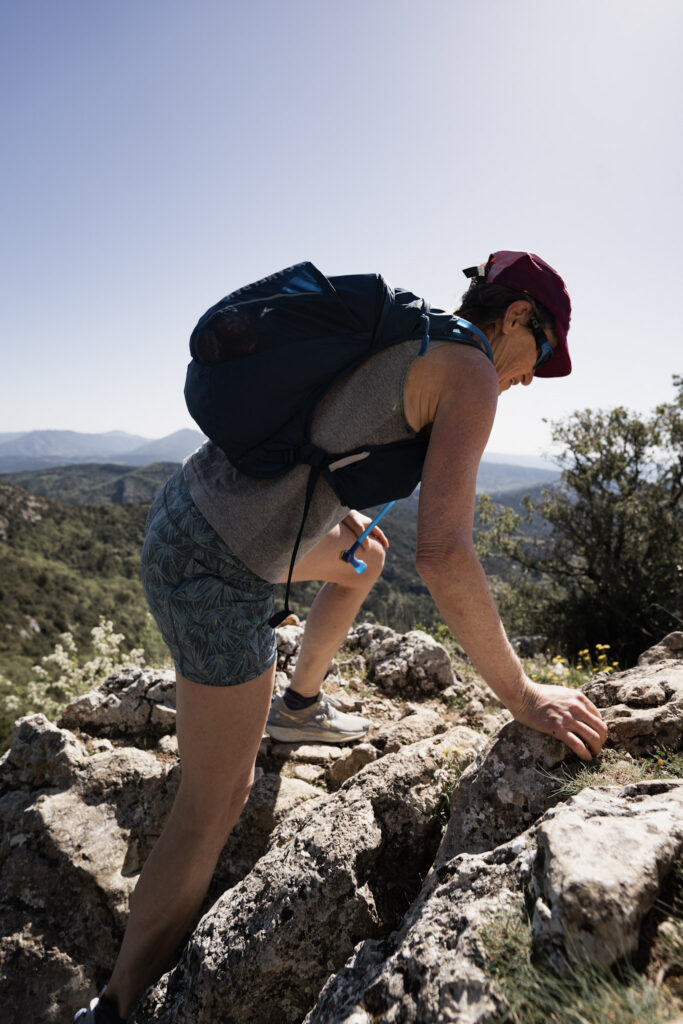
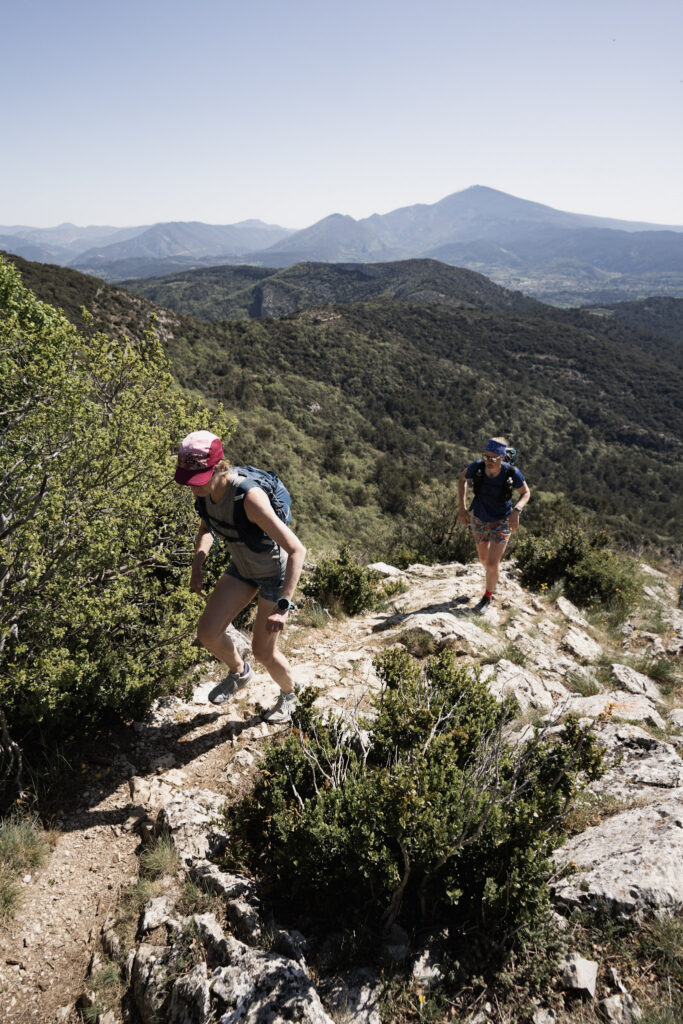
There are rocky, technical sections too, with punchy climbs and fast descents. For me, these were the real highlights, as I love the feeling of being totally focused and absorbed. The technical sections were short and sweet. Just as our legs got wobbly, the gradient would ease off and we’d find ourselves on another smooth, wide dirt track, where we could regroup and take a breather.
In our group, some people had years of mountain experience, while others were new to technical terrain. Provence was the perfect training ground with something for everyone. It’s a great place to build confidence, and for those who want to go for it, belting down the descents can be a lot of fun!
2. The climate seems designed for running
Our tour took place in spring (April), and we experienced what felt like optimal weather for running. Because the air in Provence is quite dry, heat is manageable. Many of the climbs pass through forests with generous tree cover, and when the trails open onto exposed ridgelines, there’s often a cooling wind that sweeps the sweat away.
We did have one drizzly, foggy day around Montagnes des Plates. According to our guide, the weather on this northern side of Buis-les-Baronnies is often more dramatic, but because of the strong minstrel winds typical of the region, storms normally blow through quickly.
The weather in Provence in springtime seems perfectly calibrated for a culinary trail running tour: cool mornings, warm and breezy afternoons, and calm evenings that make eating dinner outdoors the obvious choice.
3. Scents linger in your memory
Some places are memorable because of the scenery – for example, the imposing scale of the Mont Blanc massif imprints itself on your memory. But sensory memories tend to settle deeper. Provence stays with you because the memories are entwined with so many strong smells. The Baronnies Provençales are famous for aromatic and medicinal plants, and you notice it immediately on the trail. Wild thyme, rosemary, and even lavender (which doesn’t flower until June, but still gives off a subtle fragrance in April) drift through the warm air almost constantly. We especially loved the citric, almost jasmin-like fragrance of coronilla flowers, and we’d occasionally catch the sweet smell of linden trees.
4. Rolling, rural views
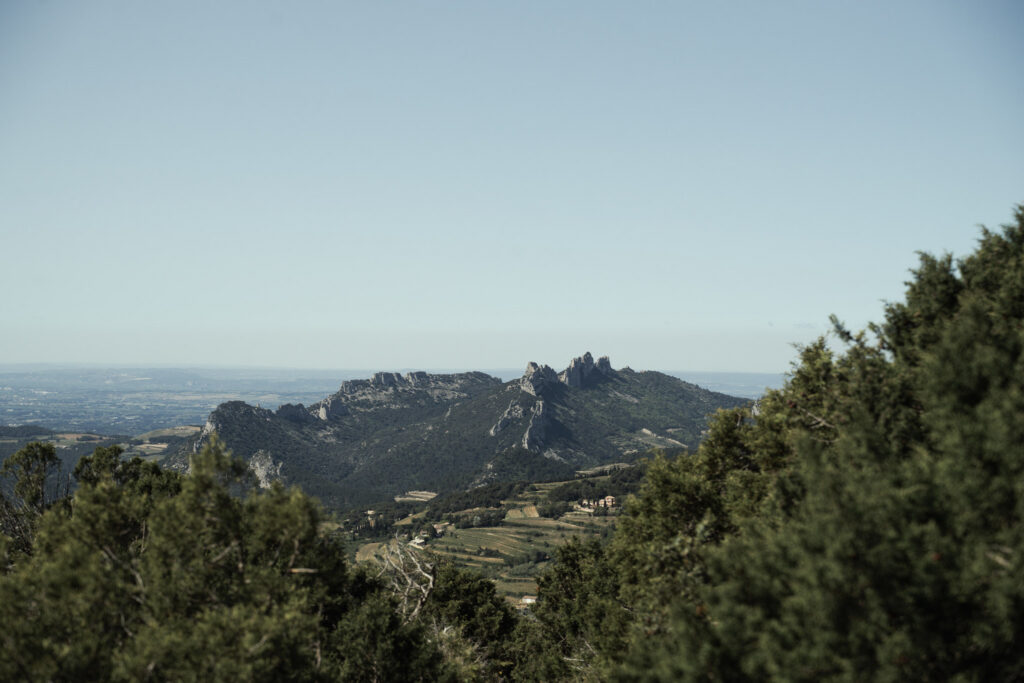
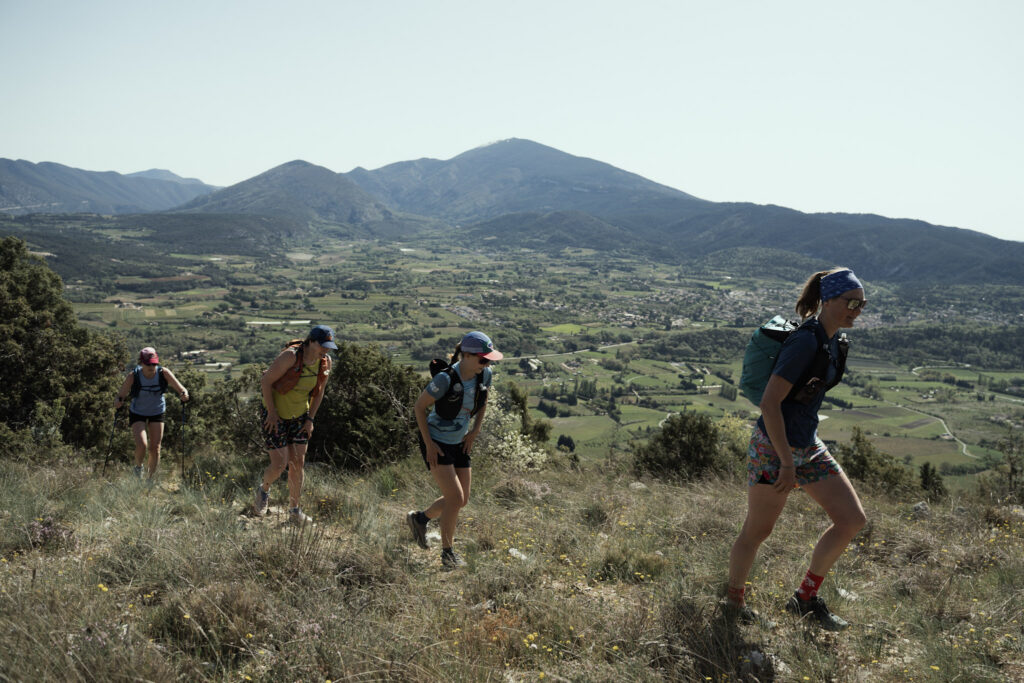
Provence has a quiet, unassuming beauty. Instead of glaciers and jagged summits, the scenery unfolds in layers: rolling green hills of forest, vineyards, and orchards are broken here and there by clay cliffs or pale stone villages. One of the things I loved most was the absence of large towns or modern development. For hours at a time, the view remained completely rural. The villages themselves seem to grow directly out of the hillsides. Their stone buildings blend so beautifully into the landscape that from a distance they almost disappear into the rock.
5. Trails are quiet
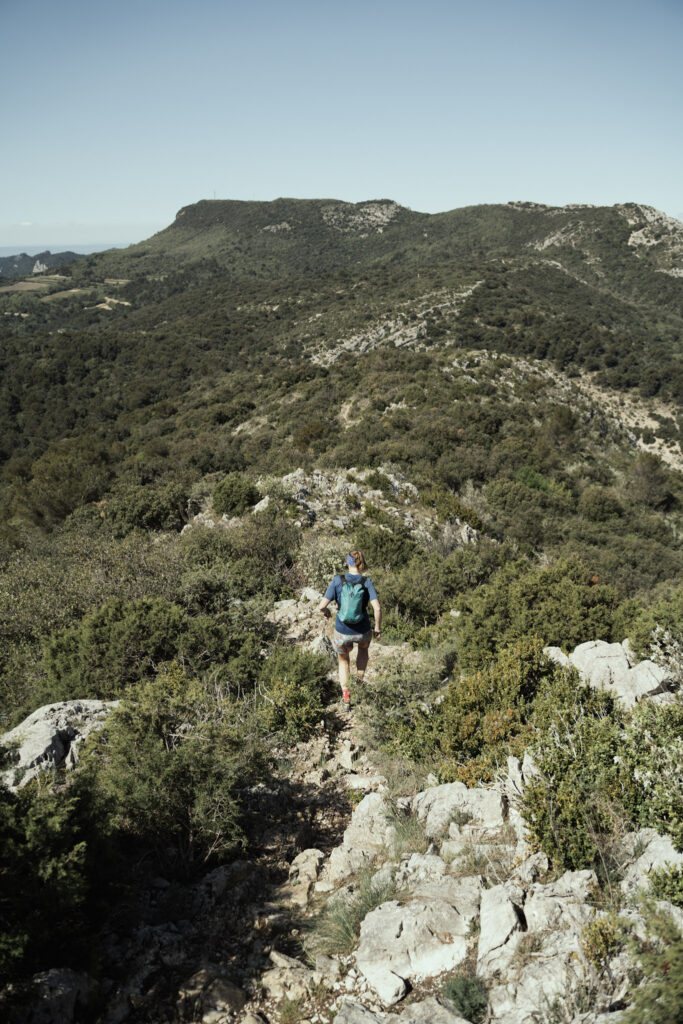
Despite being well-maintained, the trails around Provence are quiet, especially during spring and autumn. Over the course of our tour, we only passed a handful of other groups. This added to the sense of calm, and the feeling that Provence is yet to be “discovered” by the trail running community. This is likely to eventually change, especially because more races are popping up in the region, including a new UTMB® World Series event: Grand Raid Ventoux by UTMB.
The same atmosphere extends into the villages. Even in places that become busier during summer, there’s a sense that local life comes first. Cafés feel authentic rather than curated for tourism, and the people we met were consistently warm, welcoming, and enthusiastic about everything Provence.
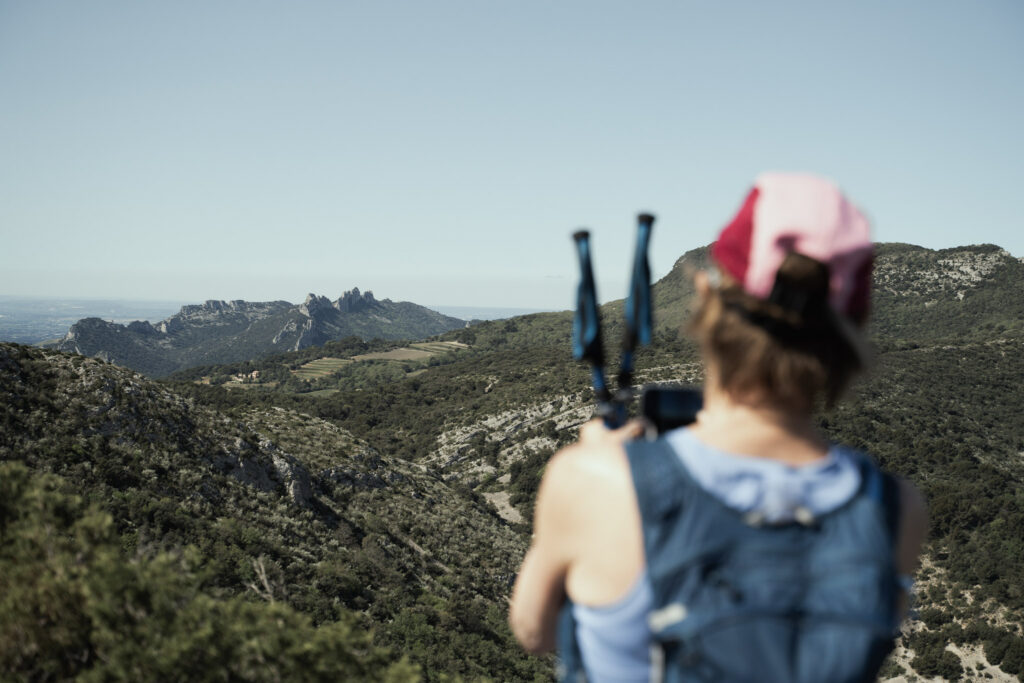
6. Relaxed rather the exhausting
One of the biggest surprises of the trip was how balanced the days felt. There were occasional challenging moments, but the days never dragged or became overwhelming. Most runs were wrapped up in time for a late lunch, which left us plenty of the afternoon to shower, explore the village, or simply lie down. This relaxed rhythm made the week sustainable.
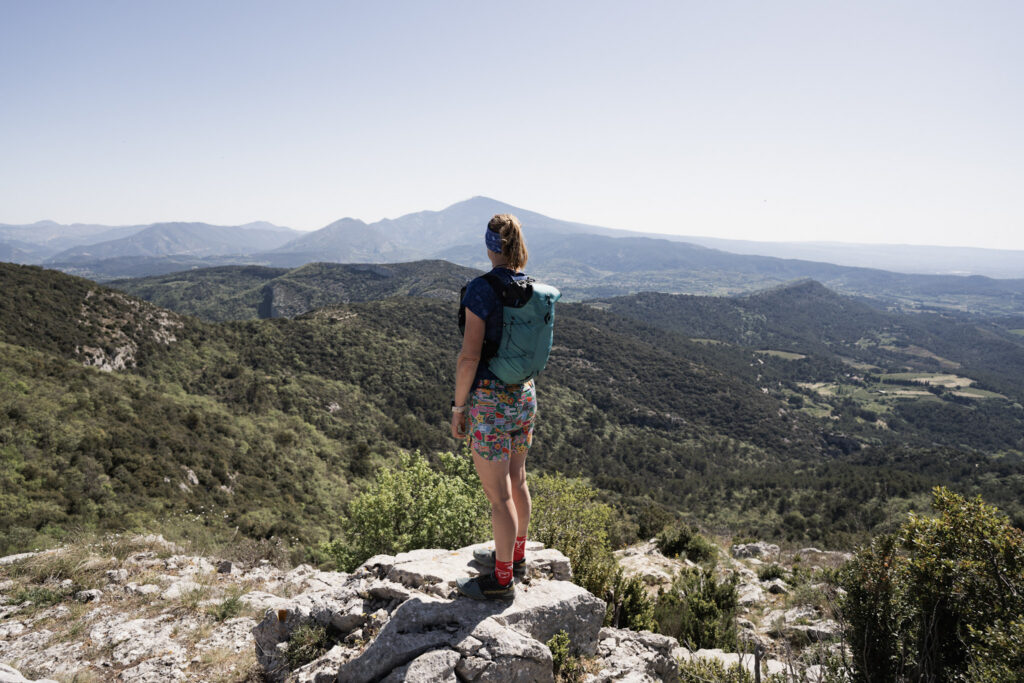
7. History at your feet
Many of the paths that we followed have been used for centuries, linking ancient villages and trading routes. I found it moving to feel that connection with the past. It’s generally believed that Hannibal marched along some of these trails on his way to the Alps. Looking at the landscape and imagining that scene – imagining a long line of elephants and men trudging over the rolling hills – puts old stories into context. The Romans also used these paths – in fact, they built a lot of them and shaped the terraced hillsides. Many of the traditional agricultural techniques that make Provence famous today – such as the cultivation of olives and lavender, wine-making, and building irrigation systems – stretch way back to Roman times.
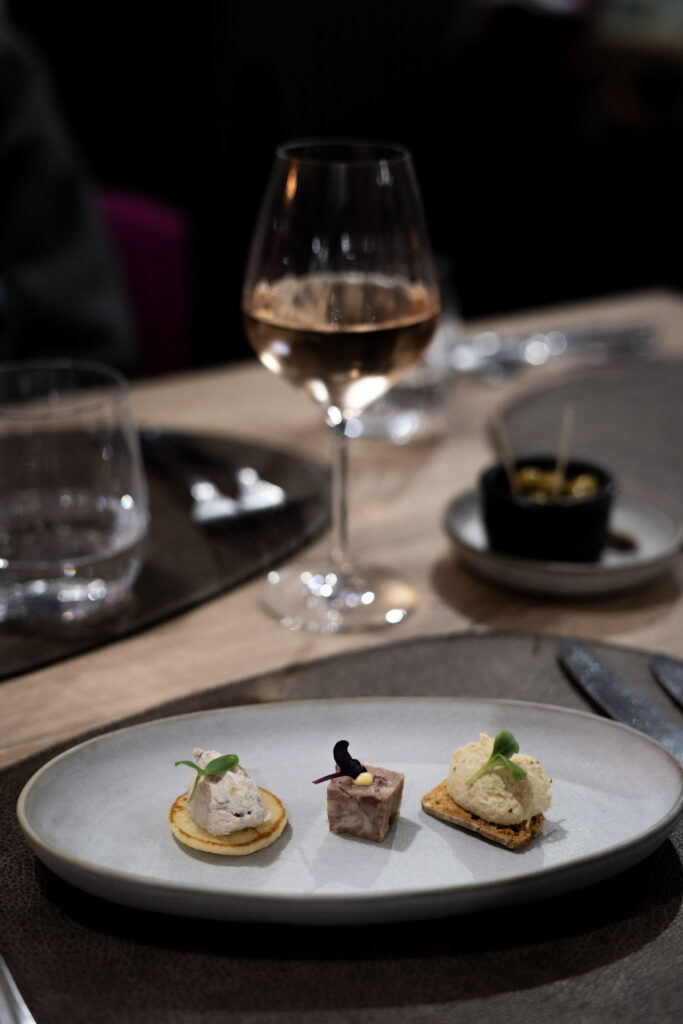
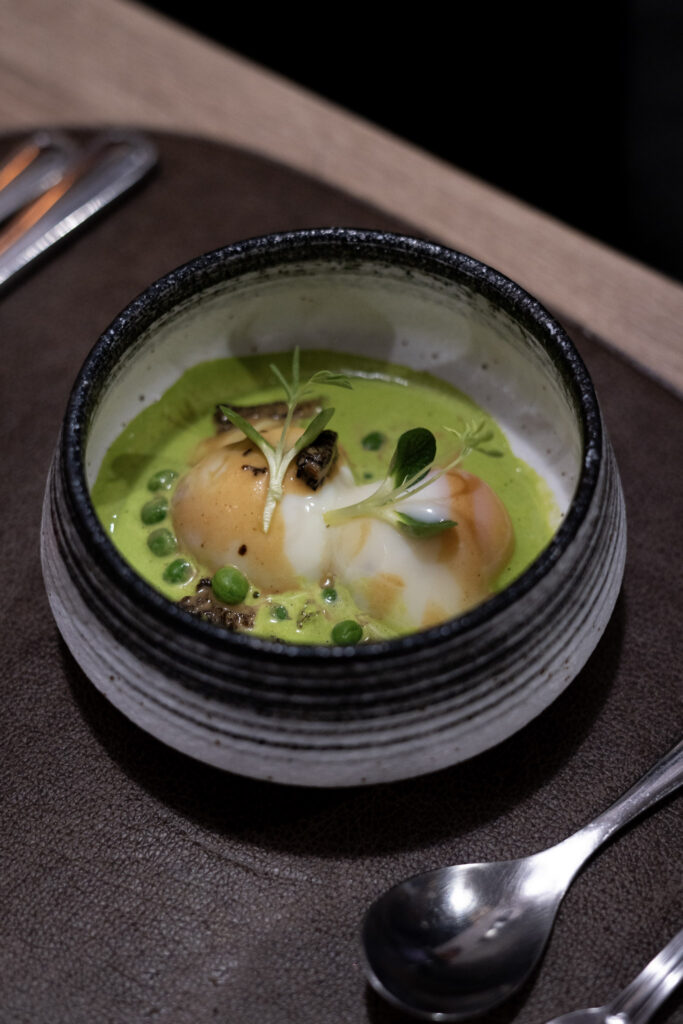
8. Food for trail runners
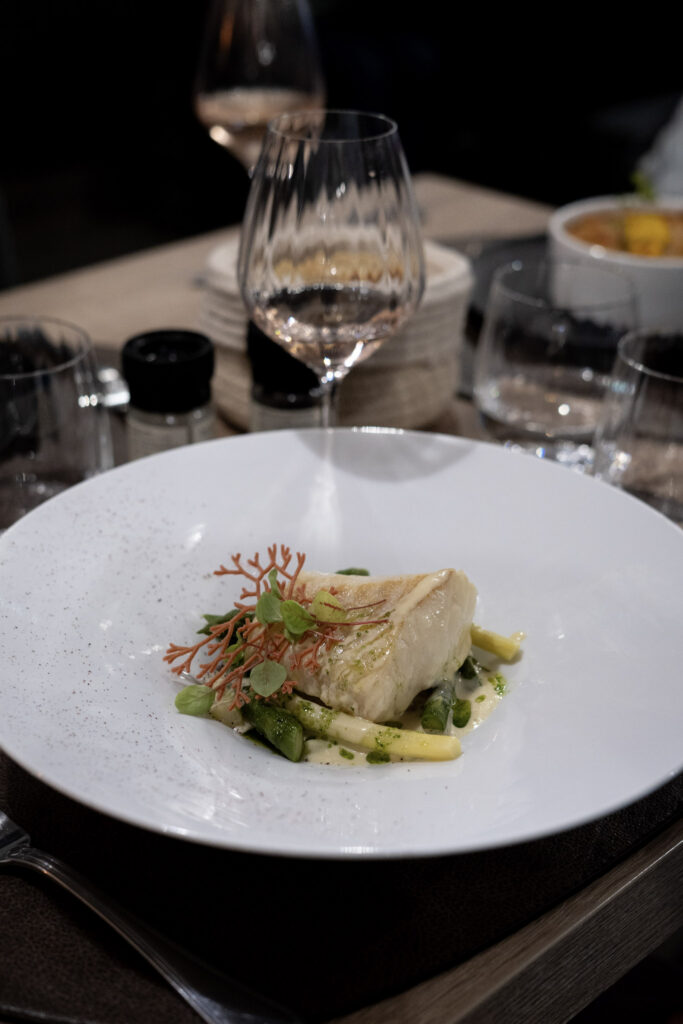
The food that Provence is most famous for is perfectly suited for active days outside. At breakfast, I’d stock up on fats, carbs, and protein by tucking into the local goat’s cheese, honey, and fresh bread. Packing my running bag, I liked to throw in a nougat or two, realizing that the ingredient list (honey, nuts, sugar, and egg whites) reads like a very elegant energy bar. Later, back in the village, our post-run recovery snacks practically organized themselves: fresh strawberries from the market, and breadsticks dipped in salty, tangy tapenade as we sat down, still in our dusty trainers, to enjoy a cooling drink.
Dinners were usually heartier: cheesy mushroom ravioli (a local speciality) for those of us who wanted to carb-load, or slow-cooked meat (lamb, pork, and duck are the local favorites) for those who wanted to top up their protein. These indulgent dinners revived our energy after long days on the trail!
9. Rosé, of course!
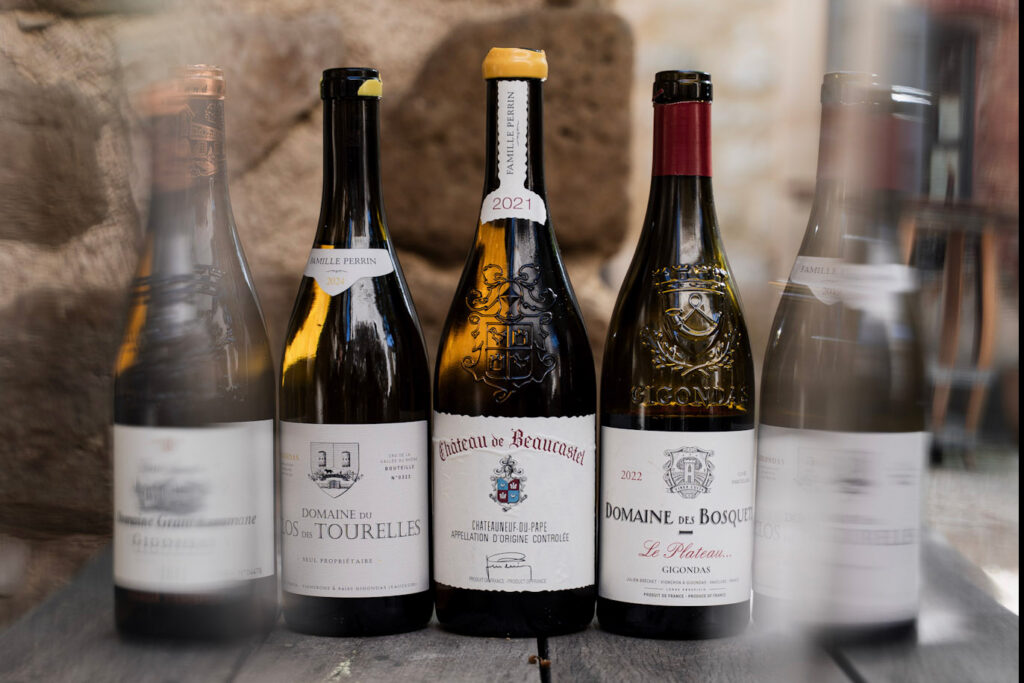
A blog post about Provence would not be complete without mentioning the wine, especially the rosé! Wine culture is completely integrated into daily life and the landscape itself. Rows of vines climb gently across the hillsides, often appearing suddenly between forests, fields of grazing sheep, and stone villages. After our run, we fell into the habit of enjoying a glass of rosé in the village square. Even mid-week, this seemed a natural, sensible thing to do, and we certainly weren’t the only ones! In Provence, enjoying a good glass of wine in the afternoon doesn’t feel indulgent or excessive; it simply feels like part of the region’s wider bon vivant philosophy of slowing down and savouring life’s small pleasures.
10. Bon vivant
After a few days of talking with locals, I started to notice a common thread in our conversations. We spoke about wildlife and protecting nature, about spending time outdoors, eating well, and staying active. There was the taxi driver who’d left Lyon in search of clean air, and the hotel owner who moved from Paris to be closer to the mountains and forests. Again and again, people described Provence as a place to slow down and reconnect with the essentials; to feel an authentic connection with neighbors and their environment. By the end of our trip, I felt determined to bring some of this mindset home with me: to savour my morning coffee, to eat seasonally, and to chat more with the people who shape my local community.
I gradually realized that this mindset underpins life in Provence. There’s a quiet balance between activity and rest, health and pleasure, quality ingredients and preserving landscapes. The French might describe someone who embraces this way of living as a bon vivant: someone who knows how to enjoy life’s simple things.
By the end of the week, I understood why so many people come to Provence for a short trip and end up returning year after year. It’s not just the trails, or the food, or even the scenery, but the way everything seems to work together to create a healthier, calmer way of life. Provence reminded us that trail running doesn’t always have to be about pushing limits; sometimes, the best, most satisfying adventures are those that leave you feeling restored and connected.
Run Provence with us
Join our 2027 guided tour in Provence or go self-guided. For all the details and booking:
Run Provence: A Guided Culinary & Trail Running Vacation May 17-23, 2027
Run Provence: A Self-Guided Trail Running Vacation April-June & September-October
