
Beautifully Broken: A Tor des Géants DNF
By Alyssa Clark | Top photo: Tom Benitez
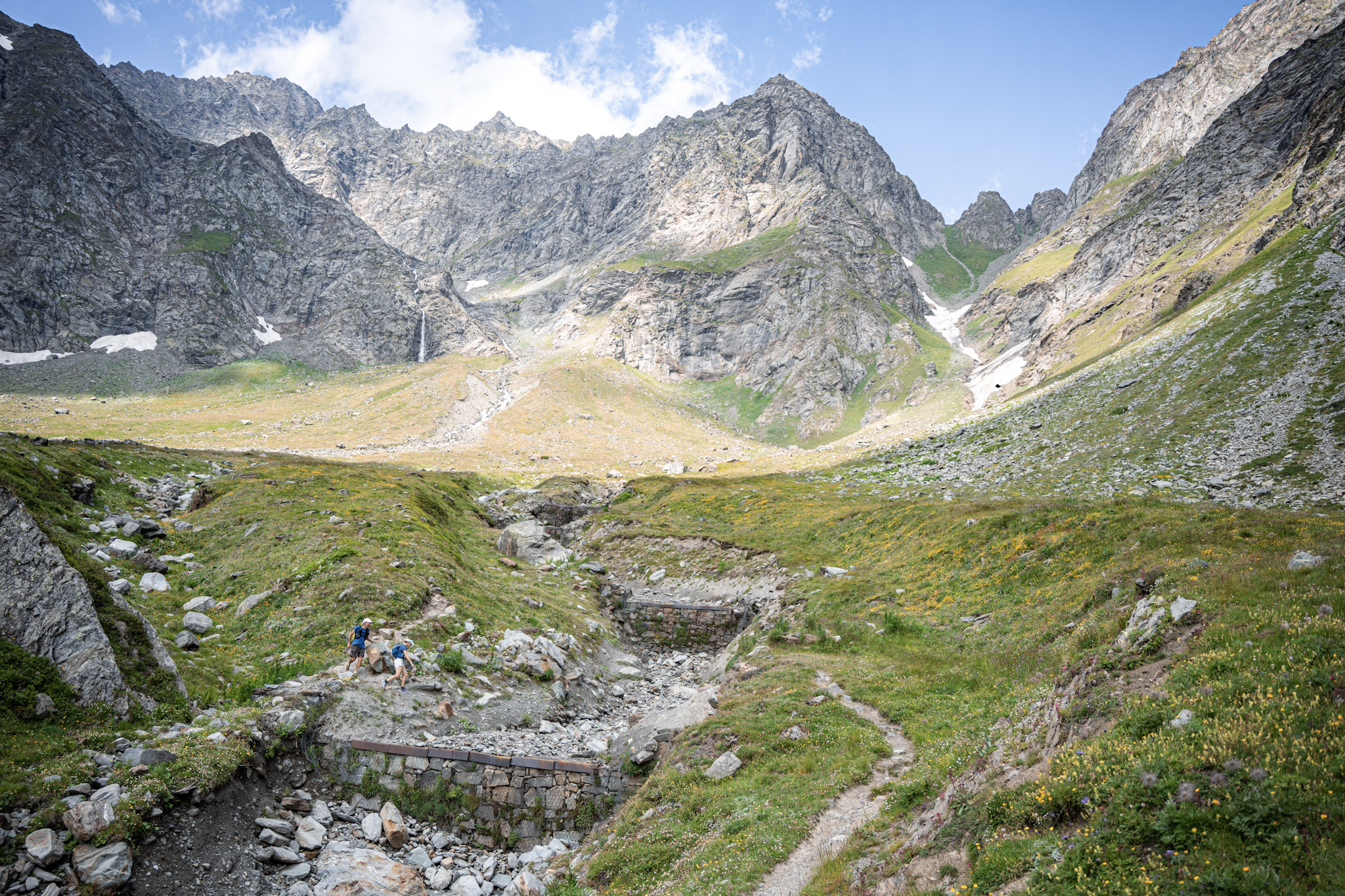
I knew it was the end. Actually, I’d known it was the end for about the last day and a half, but somehow I’d been prodded, promised, cajoled, motivated, and encouraged to continue into the third night of Tor des Géants. Tor des Géants (TDG or TOR330) is a non-stop 330km, 24000m elevation gain running race through the Italian Alps. It captivated my attention the moment I heard about it, and it became an obsession of mine to complete. It is touted to be one of the hardest races in the world, but throughout my running career, the longer, tougher, and more insane the race is, the more I am drawn to the challenge.
While I anticipated many difficulties, I did not expect to develop altitude-induced bronchitis only 100km into the race. With plummeting temperatures at night, snowstorms, and climbs topping out over 3000 meters, I was one of many who would feel the tightness in my chest and hacking cough that would eventually lead to a DNF.
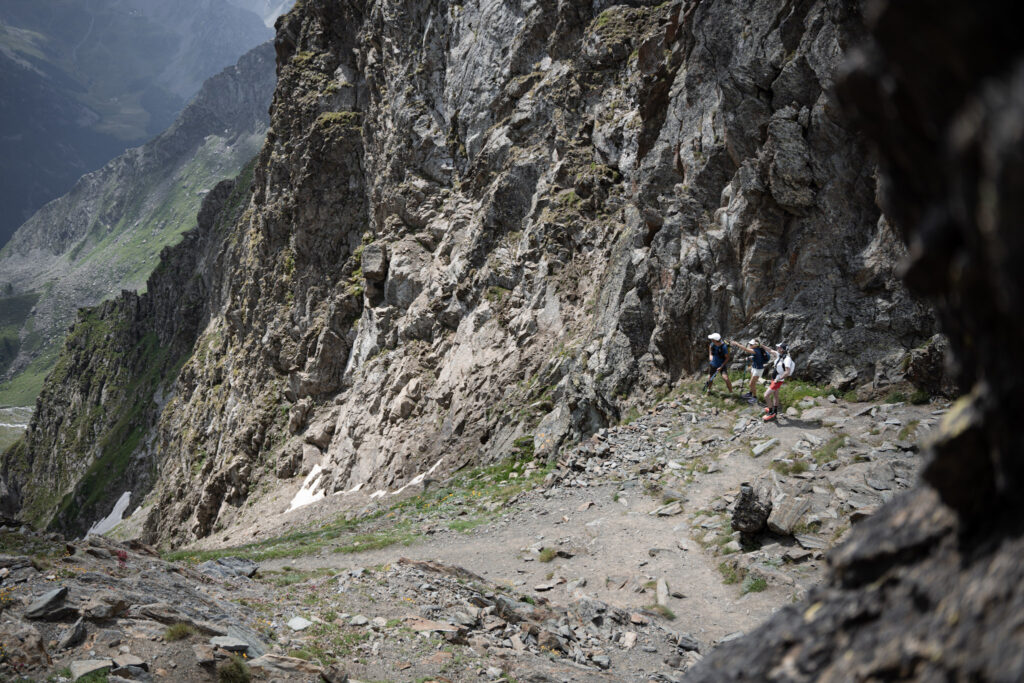
As I gasped up another climb leading to Rifugio Coda, I did not see how I could continue. Each mile felt like ten, and my pace had slowed to a series of ten steps, pause, ten steps, pause, look up and wonder how I would propel my body up to that tiny building on yet another peak. The sun was beginning to set as I dragged myself into the rifugio and immediately asked for a medic as each raspy breath and the hacking coughs interrupted my speech. The dark was coming quickly, promising more snow showers, plummeting temperatures and more climbing above 2500 meters.
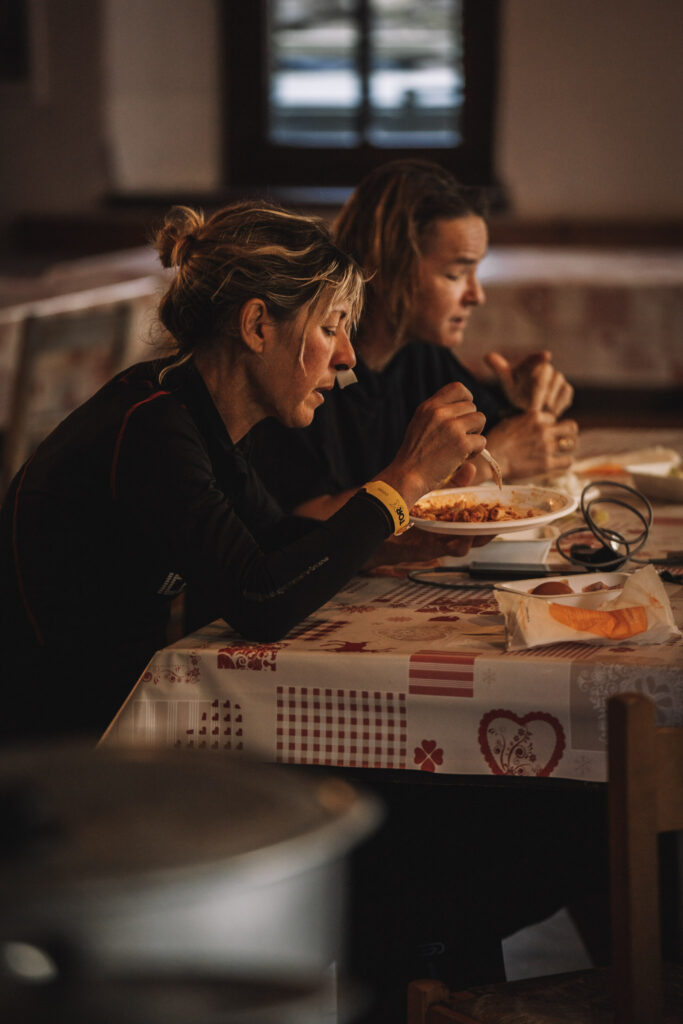
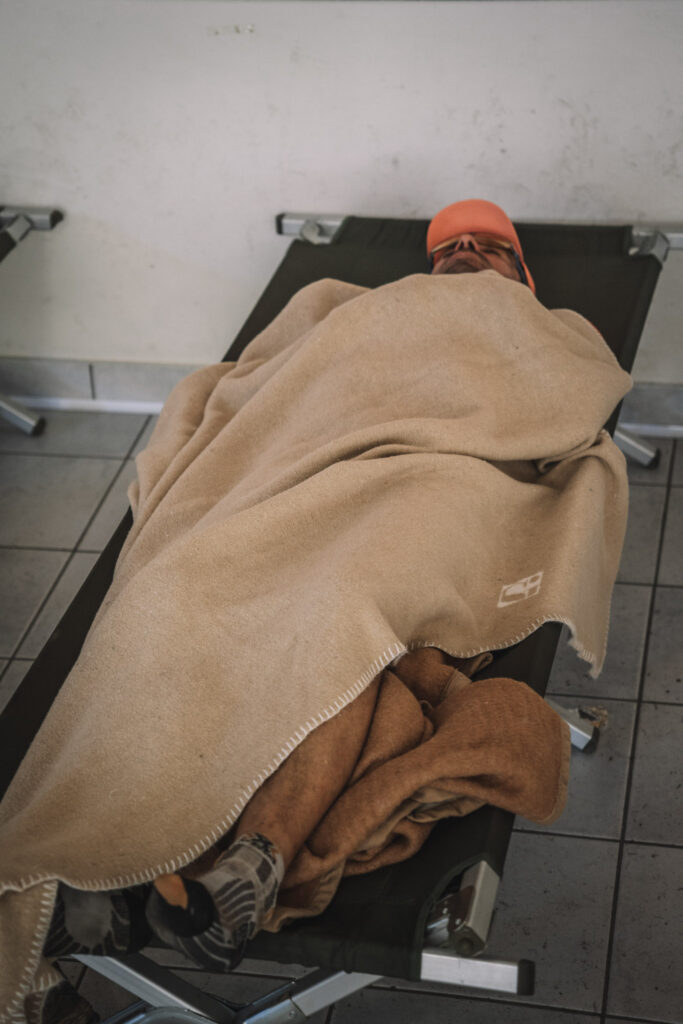
I knew the medic’s answer as soon as we began to talk. My race was done. I wasn’t a racer anymore, but rather a body taking up space and resources I believed better used for those continuing forward. The irrational and rational part of my brain collided as I was struck by the size and wetness of my tears. They fell uninhibited onto the used wooden table making little stains of darkness against the light wood. The room was chaotic with runners and the men and women running the refugio. There were piles of apricots, biscuits, fruits, chocolates, cheeses, teas, and drinks set out to aid those who were continuing. The weariness and fatigue of days, running and hiking more than most people do in weeks or even months, was visible on every face. The lights felt too bright, the temperature too warm, as I should have been out there continuing to embrace the darkness and discomfort. I continued to sob, covering my face in my arms as the small part of my brain that was still socially aware told me to hide my shame and sadness in the crowded room.
But, that was unnecessary. As the sobbing subsided, I was able to look around and see exactly why I love this sport. The broken smiles, the crazed looks of exhaustion from both the runners and volunteers working to keep us fed and alive, those began to appear to me. A woman came stumbling in, her lips cracked and red from altitude, wind and cold. She cried out, “Does anyone have chapstick? I can’t find mine and I can’t continue without it!” I took it in, realizing this race wasn’t about my finish anymore. It was about doing what I could to support the collective of every person who had stood on the starting line with hope and belief that he or she could tame the beast of TDG. I immediately pulled out my chapstick and gave it to her. She thanked me over and over, hugging me and telling me she loved me, and that I was the reason she would finish this race. I was still shell-shocked, but relieved to be a part of something positive rather than dwell on my own failure. With the time to sit and observe, I saw volunteers rushing to fill cups of tea, offering warm hugs and warm plates of food to the shells of people who entered with only one desire in their hearts. One man helped me order food in Italian as I am shaky at Italian at best, and told me one day I would come back to run this and complete it. As it became clear who was not continuing in the race, the rifugio workers kept coming back to check on me, to joke with me in Italian and laugh at my terrible accent. The few runners who also had to drop began to congregate, smiling through our pain and language barriers while offering hugs and pats on the back of solace and knowing.
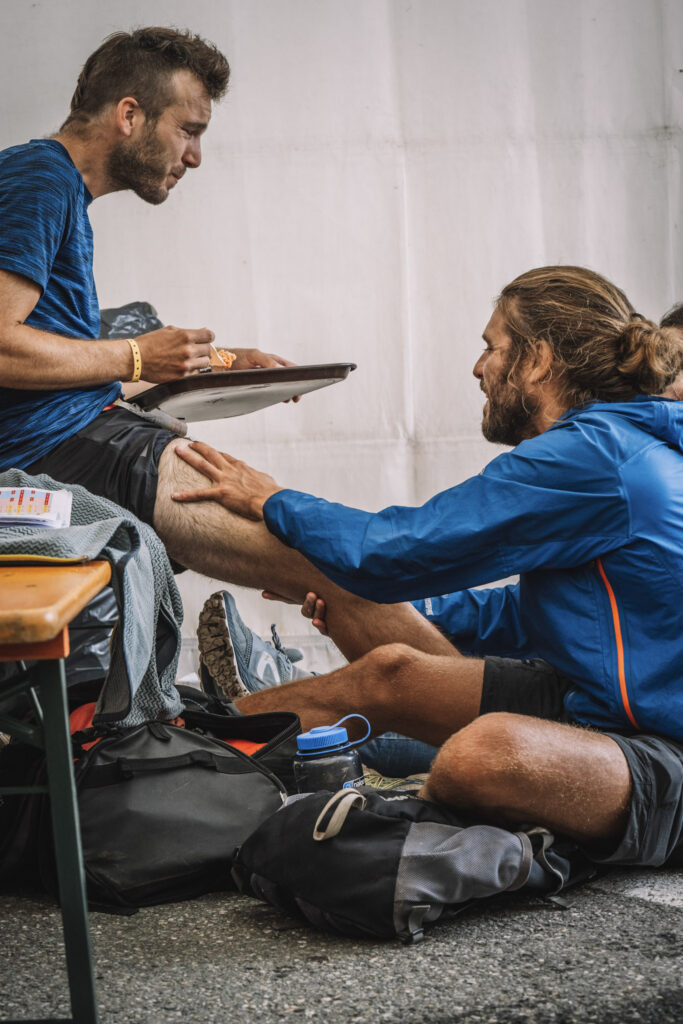
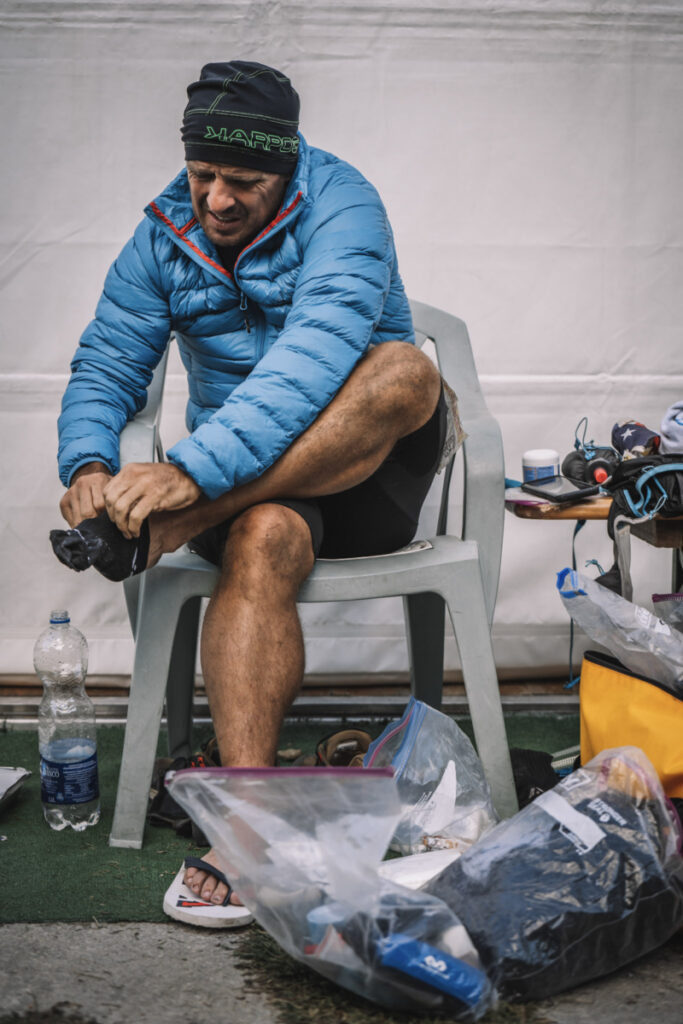
Someone running the race with whom I had mutual friends came into the refugio a few hours after I did. I went over to him as I recognized his name on the bib. His eyes were zoned out as he sat at the table refilling his pack. He barely registered my saying his name, let alone explaining how we were connected. He bucked up though, half laughing and crying as I said our friends’ names. He promised we would meet again when we were both in a bit better condition. We took a picture, and I felt tears come into my eyes as I looked at this man I had never met. We shared this experience no one outside of this moment would understand. We were both beautifully broken, his brokenness still manageable, while mine was beyond repair.
It’s difficult to articulate why I have chosen a sport that breaks me. It reduces me to the most raw, vulnerable version of myself that I spend most of my life covering or shielding others from seeing. But in that rifugio, in the moments of utter fatigue and brokenness, I saw the compassion and love humanity has to offer one another. The little flag on the race bib didn’t matter to any of us: what mattered was the humanness we allowed each other to see.
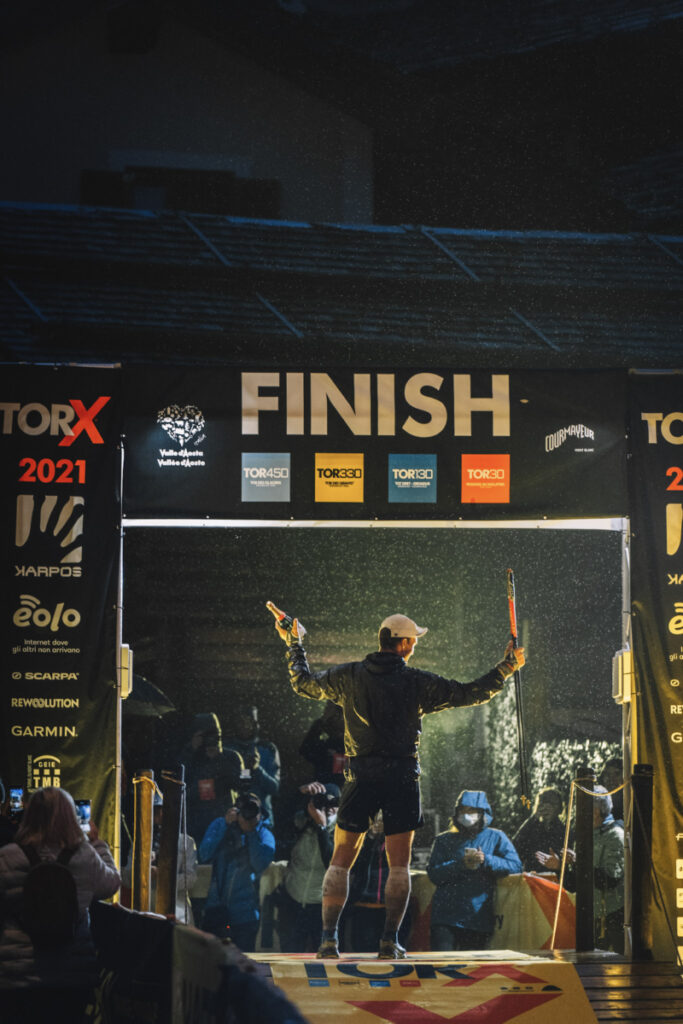
The man with mutual friends continued forward and my hopes went with him. Unbeknownst to him, in that moment, he carried my race with him to the finish line as the woman with the chapstick carried a little piece of me, too.
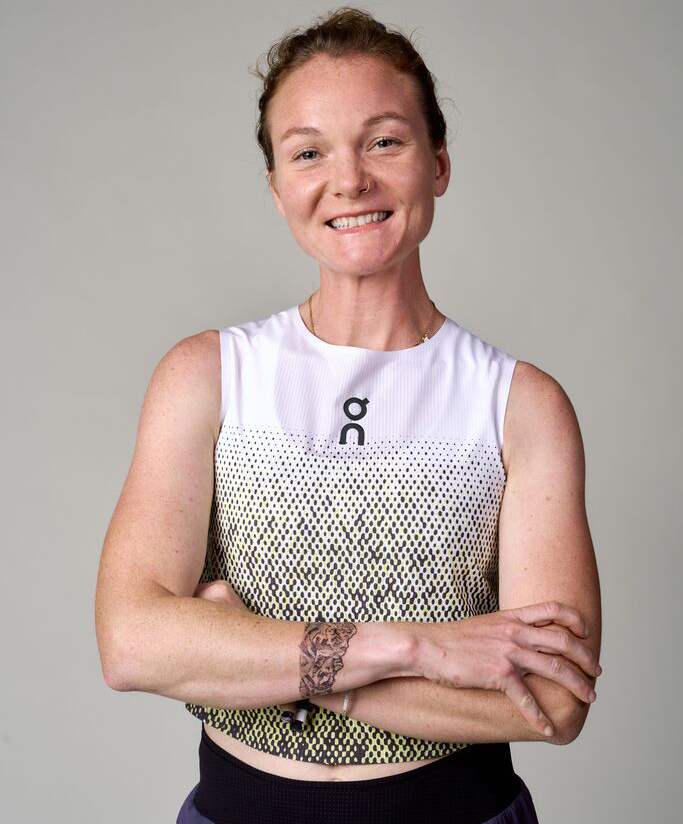
Alyssa Clark is a professional trail runner, coach, and podcaster based out of San Diego, California. Her greatest passion is mountain running, and she is working to become the best 100+ mile runner, both racing and for long-distance trail adventures through the mountains. While she’s not running, she enjoys spending time with her husband, Codi, and their two Italian cats named Michael Scott and Dwight Schrute.