
The EU’s New Entry/Exit System (EES): What Travelers Need to Know
Top photo: Global Residence Index on Unsplash
If you’re coming on a Run the Alps trip this summer– or planning any other kind of trip to Europe in the near future, you may have heard about a new system called the Entry/Exit System (EES). Don’t worry, this is not a visa, and there’s nothing you need to apply for in advance, however, it will change how border control operates when you arrive in Europe.
What is EES?
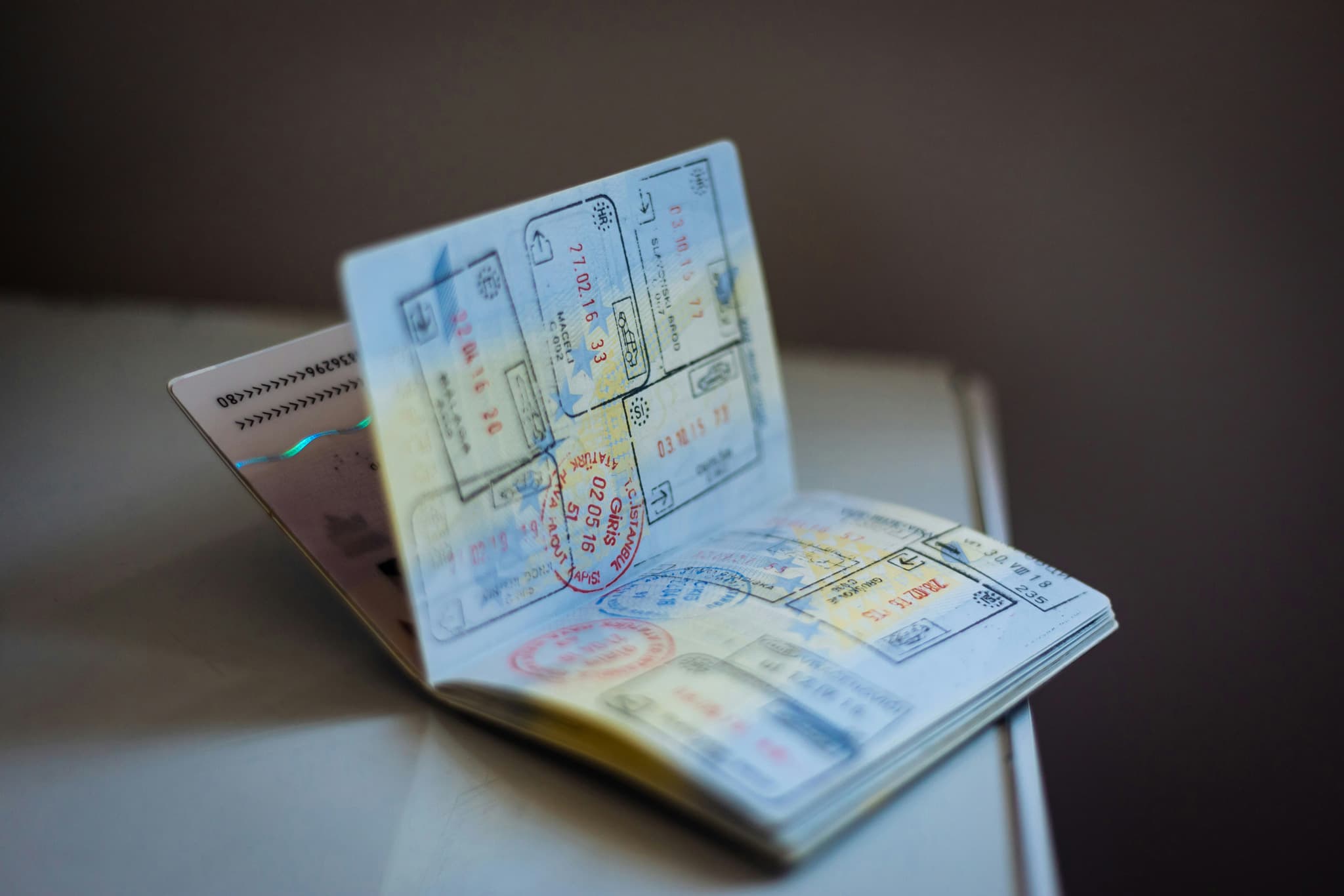
The Entry/Exit System is a new digital system being introduced across most European countries in the Schengen Area, and Switzerland. It replaces the traditional passport stamp for visitors arriving from outside the EU.
Rather than stamping your passport, EES border control now electronically logs your entry and exit every time you cross into or out of participating countries.
The Schengen Area refers to the countries who have signed the Schengen Agreement, a unified system of managing foreign visitors and allowing for passport-free internal travel, adopted in 1985 during a meeting in Schengen, Luxembourg. “Schengen”, as it is often abbreviated, now includes 29 European countries.
Who does it apply to?
EES applies to travelers who:
- are not citizens of the EU or the Schengen Area. This includes travelers from the UK, USA, Canada, Australia, and many other countries.
- are visiting for a short stay (up to 90 days).
If you have an EU passport or an EU/Schengen residence permit, EES does not apply to you.
Why is Europe introducing EES?
EES will help European authorities track how long visitors stay and enhance border security. Because it replaces manual passport stamping with a digital system, it’ll also be faster.
How will it affect my trip?
When you first enter Europe under the EES, border control will scan your passport, take a facial photograph, and collect your fingerprints.
This information is stored securely and used to confirm your identity on future visits. On your next trips, the process should be quicker, as your details will already be on file.
Will passport control take longer?
At first, yes, it is likely to take longer.
This is because biometric checks are new; your first entry may take a little longer than in the past, especially during busy travel periods. Airports and train stations are rolling the system out gradually, and some queues may move more slowly at the start.
The good news? Once you’re registered, future trips should be smoother.
Does EES affect my airport transfer to the start of my Run the Alps tour?
If you have onward travel from your entry airport that involves catching a train, budget an extra hour or two to get through security to make your connection. Check to see when the next train is in case you miss the one you intended to catch, as some destinations have limited connections each day.
If your trip includes a transfer with Mountain Drop-offs (from Geneva Airport to Chamonix), they will already be monitoring your flight arrival and are aware of the EES system. Read more info on how Mountain Drop-offs is adjusting for EES.
Do I need to do anything before I travel?
No, there’s nothing to apply for, no forms to fill in, and no extra documents needed.
As always, just make sure that your passport is valid, and that you allow a bit of extra time at passport control, especially on arrival.
I’ve also heard about ETIAS. Is that the same thing?
ETIAS is something different! You can think of it as a sort of pre-approval to travel to Europe.
It’s not in effect yet. So for the moment, there’s nothing to worry about. The plan is for it to start at the end of this year. Once it starts, though, it will be mandatory.
You can think of ETIAS as a pre-approval to enter a European country. Before you travel to Europe, you’ll complete a simple online form, answer a few security questions, and give your passport number, pay a small fee if you’re between the ages of 18 and 70, and you’ll be pre-approved to enter Europe.
Once you complete the online ETIAS process, it will be valid for multiple trips to Europe over three years.
(Fun fact: The US has a similar program for visitors to the US that is already in place, which you might have heard of. It’s called ESTA.)
*Important note: We’ll update this blog post when the ETIAS program starts!
Main things to remember about EES
- EES replaces passport stamping with new digital checks
- Non-EU residents will have fingerprints and a photo taken at their first arrival
- Your first entry may take a little longer
- No paperwork is needed before you travel
More information
