
What is ITRA? A guide to the International Trail Running Association
Top photo: Aleksandra Janiak
If you’ve spent time trail running, chances are you’ve come across ITRA.
Have you ever noticed ‘ITRA’ on race websites, runner profiles, or next to performance indexes and wondered, “What does ITRA do?“
It’s one of those names that often appears in our sport, yet many runners don’t fully understand what ITRA does or what’s behind it. So, after chatting with some of our friends at the association, we thought it was worth putting together a simple guide to what ITRA is, what it does, who is behind it, and why it matters to trail runners – whether you’re pinning on a bib every weekend or simply dreaming up your next mountain adventure.

What is ITRA?:
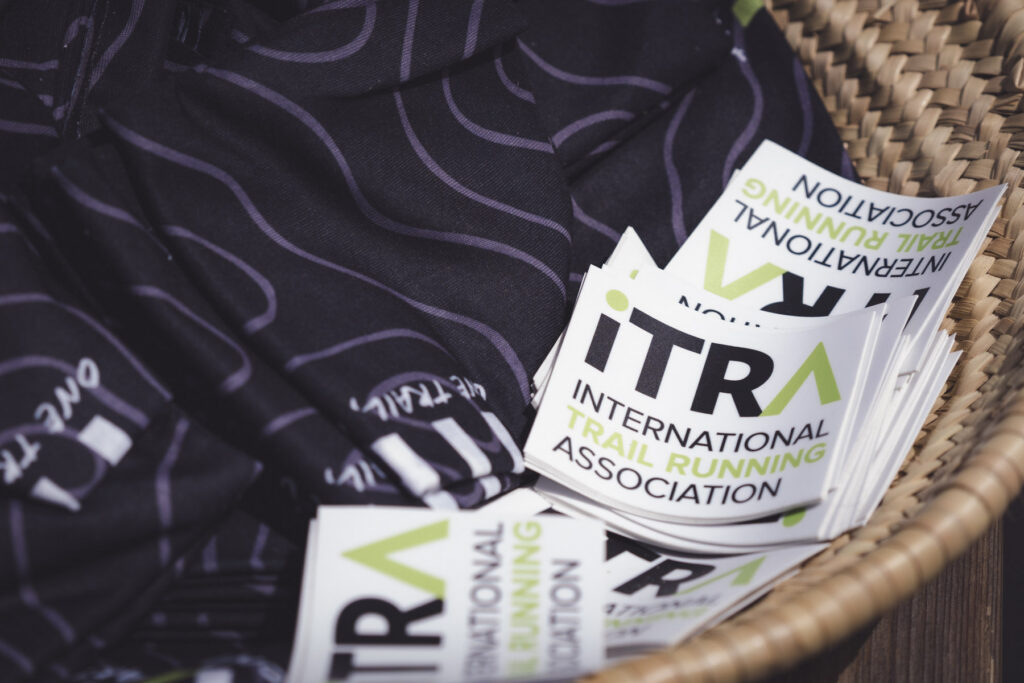
Founded in 2013, the International Trail Running Association is a global non-profit organization that represents approximately 535,000 runners and 7400 event organizers from more than 160 countries. As one of the key international organizations in trail running, it offers services to individual trail runners and trail running organizations, while also helping provide structure and coordination across the sport.
What does ITRA do?:
For runners, ITRA provides a range of tools and services designed to help you better understand your racing, your progress, and the wider trail running world.
One of the best-known is the ITRA Performance Index, a measure based on an athlete’s race results over the past 36 months that provides an overall indication of their current level of performance in trail running. It is widely used by races, runners, and organizers to compare athletes’ performance across different events and distances.
ITRA also assigns runners a score for each race they run, called the ITRA Score. Scores are determined by comparing a runner’s finish time against the specific characteristics of the race, such as distance and elevation gain.
Want to see who the top athletes are? ITRA also holds one of the most detailed ranking systems in the sport, where runners can see which female and male athletes are the current leaders in different race distances.
Katarzyna Melcer, ITRA’s Operations Manager, notes, “As an independent organization, we provide reliable tools and transparent data that help runners, organizers, and other stakeholders better understand performance and follow progress over time.”
In short, ITRA gives runners a way to track their development, compare efforts across races, and better understand how their results sit within the broader trail running community.
Who is behind ITRA?:
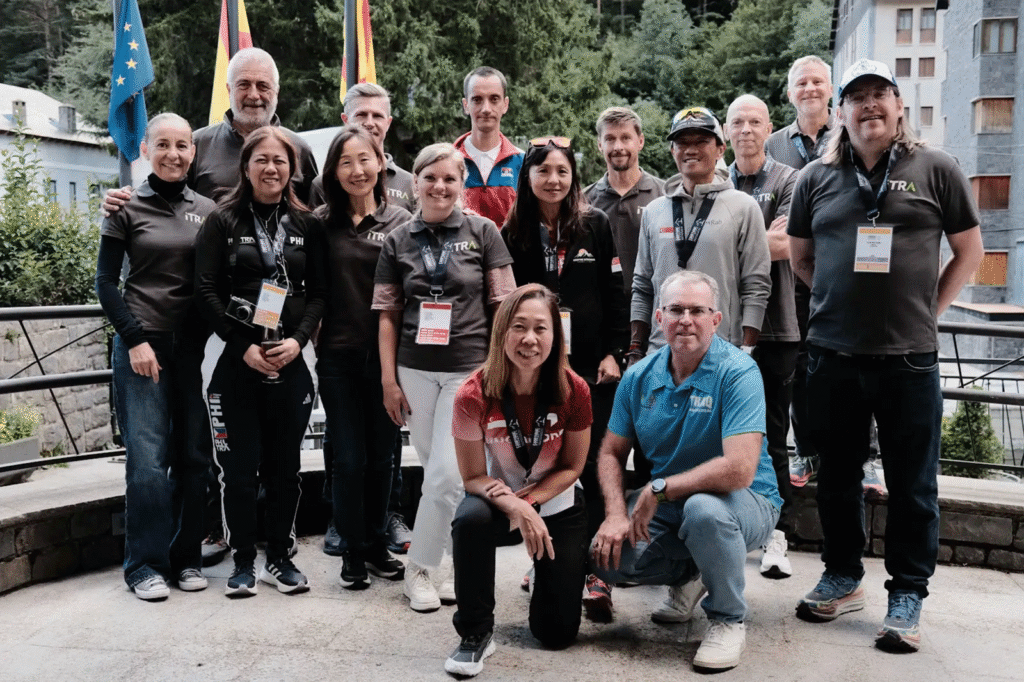
Despite the rankings, race scores, and data, ITRA isn’t just about numbers. Behind the association is an international team of people working across different areas of trail running.
A core team manages ITRA’s operations, technology, and marketing, with many of them spending their free time on the trails! ITRA also has a volunteer Executive Board of passionate trail runners, many with experience managing races in locations ranging from Hong Kong to Tunisia. The association also includes a Steering Committee made up of trail running advisors, including professional trail runners and other key stakeholders. Additionally, there are 80 national representatives from the runner and race-organizer communities worldwide.
When asked what makes the people behind ITRA special, Vice President Amir Ben-Gacem says it’s their shared connection to the sport and the communities they represent:
“What I love about ITRA is the fact that it is led by runners who love the sport and who have all been elected directly by their own runner communities. There are some amazing initiatives that should help expand the community while preserving ITRA’s independence as a non-profit organization.”
That shared connection is true to the people running things day to day as well. For Marketing Specialist Jodie Gauld, part of the attraction of working at ITRA is the association’s non-profit status: “As an NGO, ITRA aligns perfectly with my personal values, and I was drawn to that purpose over profit ethos. Trail running has become such a fundamental part of my identity, and getting to go to work where my career acts as an extension of my absolute passion is incredible.”
Why does ITRA matter to trail runners?:
ITRA’s main goal is to represent the key stakeholders in trail running. In addition to providing services to runners and race organizers, ITRA also contributes to the sport’s broader international development.
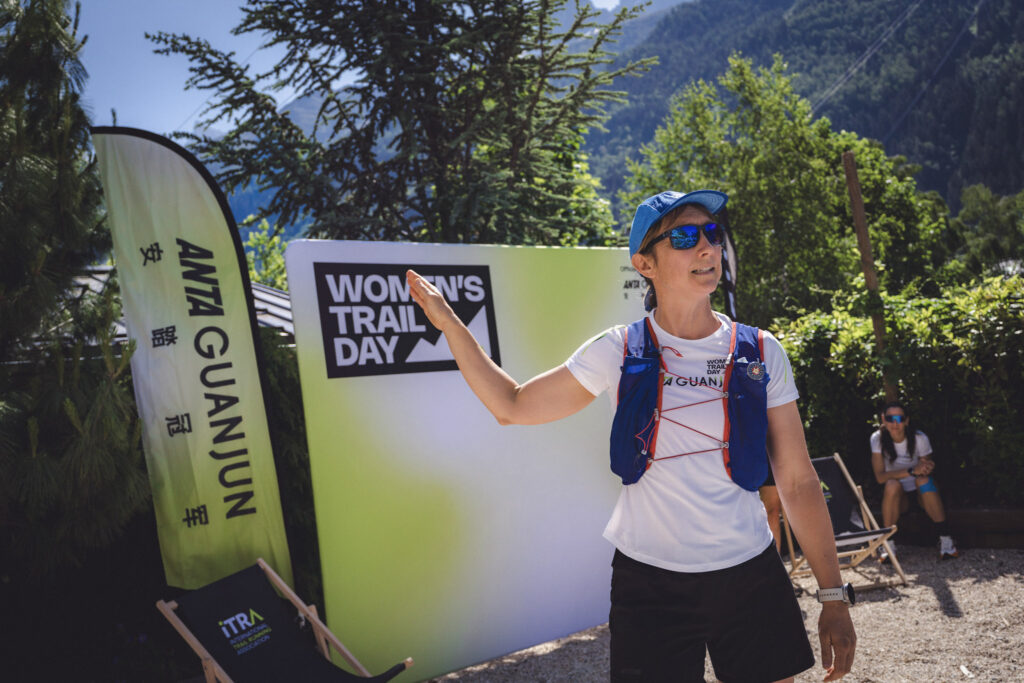
This includes contributing to important initiatives like increasing female participation in partnership with the Pro Trail Runners Association, and launching the first Women’s Trail Day. ITRA also helps organize international events like the Asia Pacific Trail Running Championships, bringing attention to one of the sport’s fastest-growing regions. Additionally, ITRA has introduced initiatives such as the National League, which aims to encourage runners to take part in races within their own country or territory, supporting local events and strengthening national trail running communities, as well as the ITRA National League Europe Finals, which bring together qualified runners from National Leagues across a continent for a shared international competition.
Much of that work happens quietly, and it isn’t always visible to runners. Jodie Gauld thinks: “Most runners just look at ITRA for the Performance Index and associate us with their races. They possibly don’t realize how much proactive work goes into standards for trail runners in areas ranging from safety to environmental impact, from science research to equality.”
ITRA President Janet Ng emphasizes that the association’s goal is to create an inclusive environment for the sport’s development. She states, “Trail running is one of the fastest-growing sports in the world, and ITRA exists to make sure that growth is healthy and sustainable. We’re here for the whole community – runners and organizers alike – giving everyone tools to develop and connect within it.”
Whether you use it to track your race history, understand your performance, compare race difficulty, or simply learn more about the wider trail running world, ITRA forms part of the infrastructure that now sits behind many races and results.
And while you certainly don’t need to understand every detail of ITRA to enjoy being out on the trails, it can be helpful to know what makes up many of the rankings and results we see across the sport.
So, now that you know a little more about ITRA… you may well recognize its presence in more places across the trail running world.
For more information:
